
 0208 432 9595

Travel Advisory for UK Citizens: Flight Disruptions in the Middle East
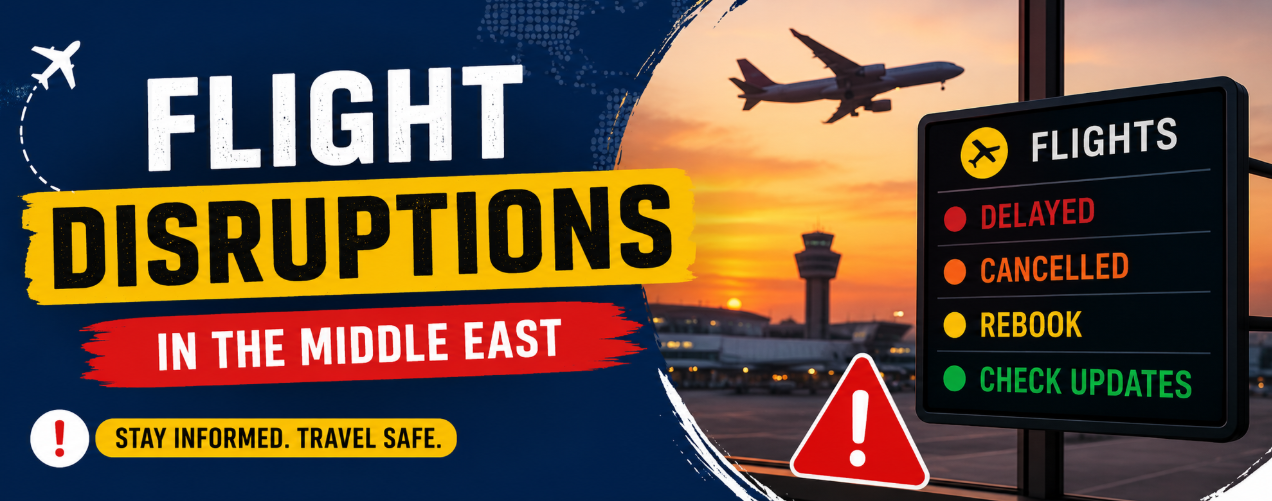
If you’re planning to travel to the Middle East, it’s a good idea to stay updated before you fly. Over the past few weeks, ongoing tensions have started affecting international flight schedules, with some airlines cancelling routes.
Right now, most airports in the region are still operating normally. Thousands of passengers are continuing to travel every day. However, problems exist.
At Cheap Flights Fare UK, we know these situations can make travel feel stressful. This guide explains what’s happening and the best steps to take before heading to the airport.
Why Are Flights in the Middle East Being Disrupted?
The current disruption is linked to rising instability and security concerns in parts of the Middle East. In response, some countries have temporarily restricted sections of their airspace. That’s why airlines have started rerouting aircraft away from certain areas as a precaution.
When this happens, airlines often need to:
take longer flight paths,
reduce the number of daily services,
delay departures,
or cancel selected flights altogether.
Here’s the thing: Even small changes in airspace availability can affect hundreds of international routes.
So even if your final destination is not in the Middle East, your journey could still be affected.
What Airports & Routes May Be Impacted?
A number of the larger transit centers remain open throughout the Gulf region. But airlines are still making changes to their routes (subject to operations).
The following cities are likely to experience delays and/or schedule changes in their travel:
Dubai
Doha
Abu Dhabi
Bahrain
Kuwait City
Amman
What Travellers Are Experiencing Right Now
These are what passengers are currently reporting on the different airlines and destinations:
Flight Delays
Several hours delayed flights due to:
Rerouting
Operational checks
Aircraft that are late from previous flights.
Last-Minute Cancellations
Some airlines are canceling some of their services. This is typically when routes become unsafe or unfeasible to operate effectively.
Longer Layovers
Airlines are making changes to their schedules which could result in longer turnaround times for passengers at Gulf airports.
Missed Connections
In case of delays during the initial leg of the journey, connecting flights may be missed (particularly when the schedules are tight)
Higher Ticket Prices
Airlines are cutting some routes and making other changes, causing seats to be more expensive on routes not affected.

What You Should Do Before Travelling
If you have a trip coming up soon, staying informed is the most important thing you can do. Here’s what we suggest:
Check Your Flight Directly With the Airline
Before leaving for the airport, visit your airline’s website or app to confirm:
departure times,
terminal information,
gate changes,
and cancellation notices.
If you booked through a travel agency or booking website, they can also help explain your available options if your flight is affected.
Arrive Earlier Than Normal
Airports may be busier than usual because of:
rebooked passengers,
additional security checks,
and longer customer service queues.
Giving yourself extra time at the airport can help avoid unnecessary stress.
Keep Your Travel Plans Flexible
If your dates are flexible, you may find:
cheaper alternative flights,
better routing options,
or shorter stopovers.
Airline Changes, Rebooking, and Cancellation Policies
Depending on your airline and fare type, you may be able to:
change your travel dates without paying extra fees,
move onto another available flight,
receive airline credit,
or request a refund.
However, every airline has different policies, and these policies are changing regularly as the situation develops.
That’s why it’s important to review your booking carefully before making changes.
Refunds Are Taking Longer Than Usual
One thing many travellers should prepare for is slower refund processing times.
Because airlines across the world are currently handling a very high number of cancellations, refund approvals are taking longer than normal.
In many situations:
refund requests must first be reviewed internally,
then processed through airline systems,
and finally returned through the original payment provider.
Travel Insurance: What You Need to Know
If you already have travel insurance, now is the time to read through your policy carefully.
Many travellers assume all disruption is automatically covered, but insurance policies can vary quite a lot when it comes to regional conflict.
Coverage may depend on:
when the policy was purchased,
your destination,
and the level of travel warning issued at the time.
If you’re unsure about anything in your policy, contact your insurer directly before travelling.
Helpful Tips to Make Your Journey Easier
Here are some practical tips travellers are finding helpful right now:
Keep airline notifications turned on
Save digital copies of your passport and tickets
Charge your phone fully before travelling
Carry essentials in your hand luggage in case of delays
Avoid very short connection times if possible
Monitor news and airline updates regularly
Stay patient and flexible if plans change unexpectedly
We’re Here to Help
At Cheap Flights Fare UK, we understand how stressful unexpected travel disruption can be. Our team continues to monitor the latest airline updates and travel developments to help passengers stay informed.
As the situation in the Middle East continues to evolve, airlines may introduce further changes. Staying informed, checking your flight regularly, and allowing extra flexibility in your plans can make your experience better.
Recent Posts





Popular
 22 May
 Airfare Deals